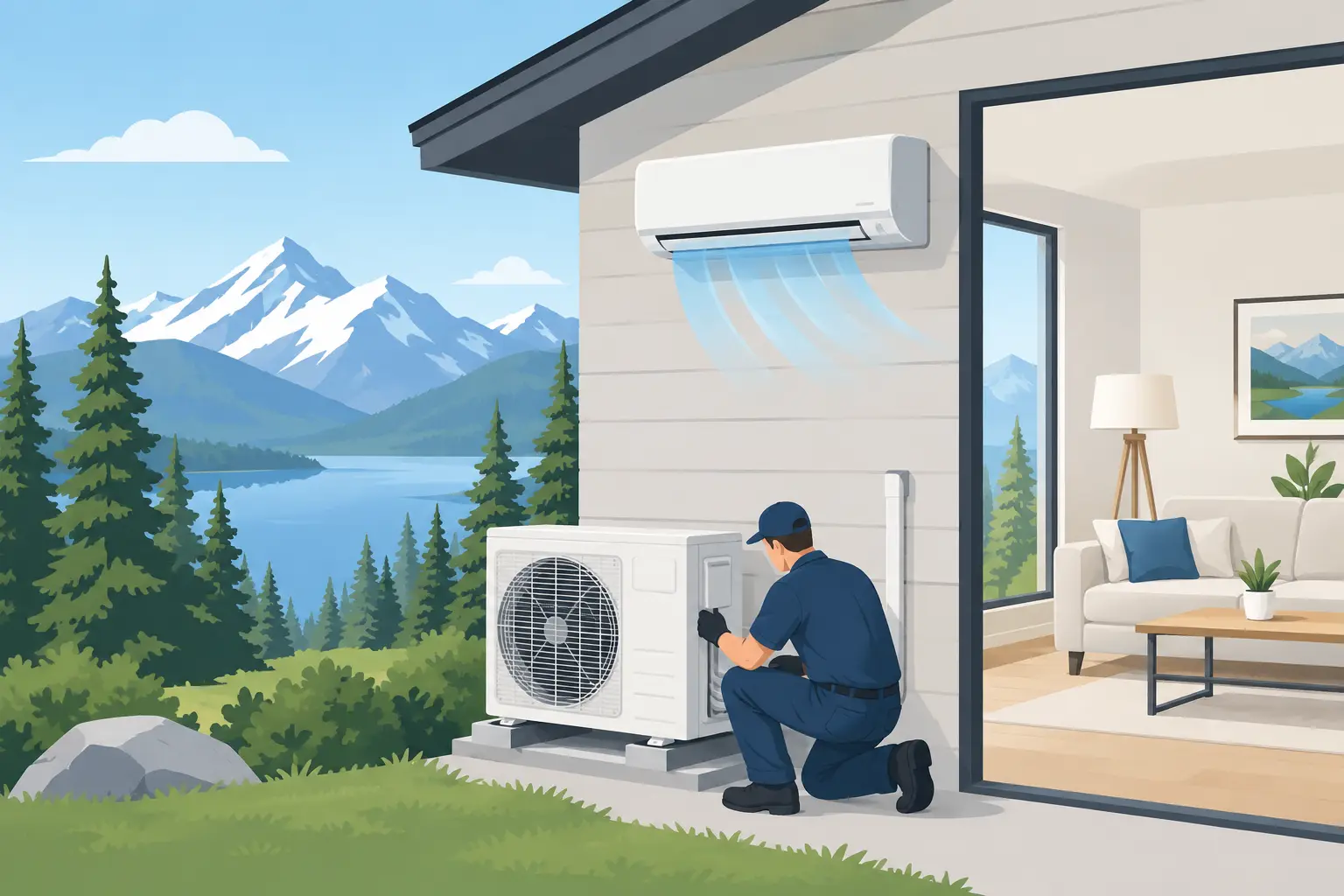
A ductless mini split can be a smart answer when one room stays too hot in summer, too cold in winter, or simply is not served well by the home’s existing system. But ductless mini split installation is not just a matter of mounting an indoor unit and turning it on. Correct sizing, placement, electrical work, drainage, and refrigerant setup all affect how well the system performs through Treasure Valley weather.
For homeowners in Boise, Meridian, Nampa, Caldwell, Payette, Ontario, Vale, and nearby communities, the goal is simple: dependable comfort without paying to condition space you are not using. A properly selected and professionally installed ductless system can deliver that. A rushed installation can leave you with noise, uneven temperatures, water leaks, or higher utility costs.
What a Ductless Mini-Split Does Well
A ductless mini-split uses an outdoor heat pump connected to one or more indoor air handlers. The indoor unit delivers heated or cooled air directly into the space, rather than sending it through a network of ducts. Each indoor unit can have its own temperature setting, which gives homeowners more control over individual rooms.
This setup works especially well for finished garages, bonus rooms, home offices, sunrooms, additions, older homes without ducts, and rooms above garages. It can also help when a central furnace and air conditioner are still working but cannot keep a particular area comfortable.
Many homeowners use a ductless unit as supplemental comfort. Others use a multi-zone system to heat and cool much of the home. The right approach depends on the home’s layout, insulation, existing equipment, and how each room is used.
A mini-split is not automatically the best choice for every house. If several rooms already have usable ductwork and the central system is near the end of its life, replacing or upgrading the full system may make more sense. A good contractor should explain the options instead of forcing every comfort problem into the same solution.
Ductless Mini Split Installation Starts With Sizing
The most common mistake in heating and cooling is assuming bigger equipment is better. It is not. An oversized ductless unit may heat or cool the room quickly, then shut down before it has run long enough to manage humidity and maintain even comfort. A unit that is too small may run constantly and still struggle during temperature extremes.
Proper sizing considers more than square footage. A contractor should look at ceiling height, windows, insulation, sun exposure, room use, air leakage, and the local climate. A west-facing room with large windows in Nampa may need a different solution than a shaded bedroom of the same size in Boise.
For larger projects, equipment capacity also needs to match the total demand across all zones. A multi-zone system does not always provide full rated output to every indoor unit at the same time. That matters on the coldest winter mornings and hottest summer afternoons, when several rooms may need conditioning at once.
Indoor Unit Placement Matters More Than Most People Expect
The indoor air handler should be placed where it can move air across the room without blowing directly onto the bed, sofa, dining table, or primary work area. High-wall units are common because they keep the equipment out of the way and distribute air effectively. Ceiling cassettes, floor-mounted units, and concealed ducted options may be better in certain layouts.
The best location is not always the most convenient wall. The installer needs room for service access, a route for the refrigerant line set and condensate drain, and a practical path to the outdoor unit. Installing an indoor unit in the wrong location can create comfort problems that no thermostat adjustment will fix.
Noise is another consideration. Modern ductless systems are typically quiet, but fans and refrigerant movement still produce some sound. Bedrooms and home offices deserve extra attention during planning. If a room needs very low noise, discuss that before equipment is selected.
The Outdoor Unit Needs a Solid, Serviceable Location
The outdoor condenser needs stable support, clear airflow, and enough room for maintenance. It may be mounted on a wall bracket, placed on a ground pad, or installed on another approved support system. The choice depends on the site, snow conditions, drainage, available space, and local requirements.
In Idaho and eastern Oregon, winter conditions should be part of the plan. The unit must sit where melting snow and ice will not create drainage problems around the equipment. It also needs clearance from shrubs, fences, stored items, and drifting snow. Blocking airflow can reduce capacity and put unnecessary strain on the system.
Outdoor-unit location also affects the homeowner’s day-to-day experience. It should not be placed immediately outside a bedroom window or tight against a patio where operating sound may become bothersome. A few feet of planning can make a big difference for years to come.
Electrical, Drainage, and Refrigerant Work Are Not Shortcuts
A ductless system needs a dedicated electrical circuit sized for the equipment. Depending on the installation, this may involve a new breaker, disconnect, exterior wiring, and permit requirements. Electrical work should be completed correctly from the beginning, not treated as an afterthought.
The indoor unit also creates condensate during cooling. That water has to drain reliably to an approved location. A gravity drain is usually the simplest option, but some installations need a condensate pump because the line cannot slope downward enough. Pumps can work well, but they add a component that should be inspected and maintained.
The refrigerant line set is equally critical. Lines must be properly sized, protected, pressure-tested, evacuated with the correct equipment, and charged according to manufacturer specifications. Skipping these steps can lead to poor performance, leaks, compressor damage, and a shorter equipment life. This is one reason ductless installation is professional HVAC work, not a weekend project.
Heating Performance in Treasure Valley Winters
Today’s cold-climate ductless heat pumps can provide useful heat well below freezing, but performance varies by model. Do not assume every mini-split has the same low-temperature capacity. Ask how much heating output the proposed equipment provides at the temperatures your home actually sees.
A ductless unit may be the primary heat source for a well-planned space, but some homes benefit from backup heat during severe cold snaps. This could be an existing furnace, baseboard heat, a fireplace used safely and appropriately, or another designed heat source. The right setup depends on the building and the owner’s comfort expectations.
Defrost cycles are normal in winter. When outdoor temperatures are cold and moisture collects on the outdoor coil, the system periodically shifts into defrost to clear frost. During that brief period, heating output indoors may pause. Proper equipment selection and installation help minimize the impact, but homeowners should understand this is normal heat-pump operation.
What to Ask Before Scheduling Installation
Before approving an estimate, get clear answers about the equipment capacity, number of zones, proposed indoor and outdoor locations, electrical scope, and condensate drainage plan. Ask whether the quote includes startup, testing, and a walkthrough of the remote or wall control.
It is also reasonable to ask about warranty coverage and ongoing maintenance. Filters need regular cleaning, and the indoor and outdoor coils need periodic inspection. A ductless system is efficient when it is clean and operating as designed. Neglected filters restrict airflow and can lead to reduced comfort or service calls.
For rental properties, consider who will clean filters and report problems. For a primary residence, consider which rooms need individual temperature control and whether occupants will use the system consistently. These practical details often matter as much as the equipment brand.
A Local Installation Should Fit the Home, Not Just the Wall
Near Me Heating and Air approaches ductless work as part of the home’s full comfort system. That means considering the room that needs help, the existing furnace or air conditioner, the building’s layout, and the local weather the equipment will face.
The right ductless mini-split should disappear into daily life. It should keep the room comfortable, run quietly, drain correctly, and remain accessible when maintenance is needed. If you are planning a new addition, dealing with a stubborn hot or cold room, or comparing replacement options, start with an on-site assessment and a straightforward conversation about what will work for your home.
Leave a Reply